


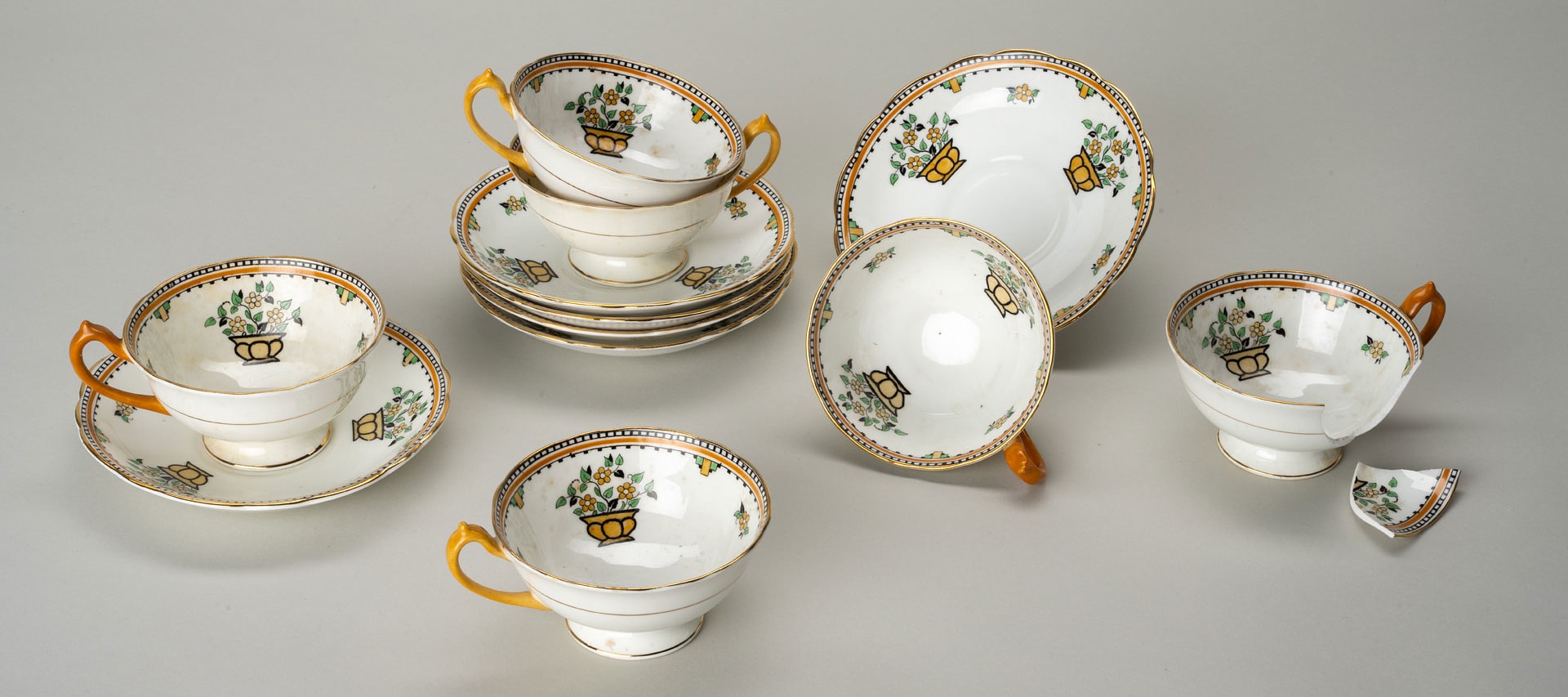
The "Living Memory" exhibition provides a unique glimpse into the depths of the Yad Vashem Collections and the ongoing endeavors to discover the identities and the stories behind the rare items that have been collected over the years.
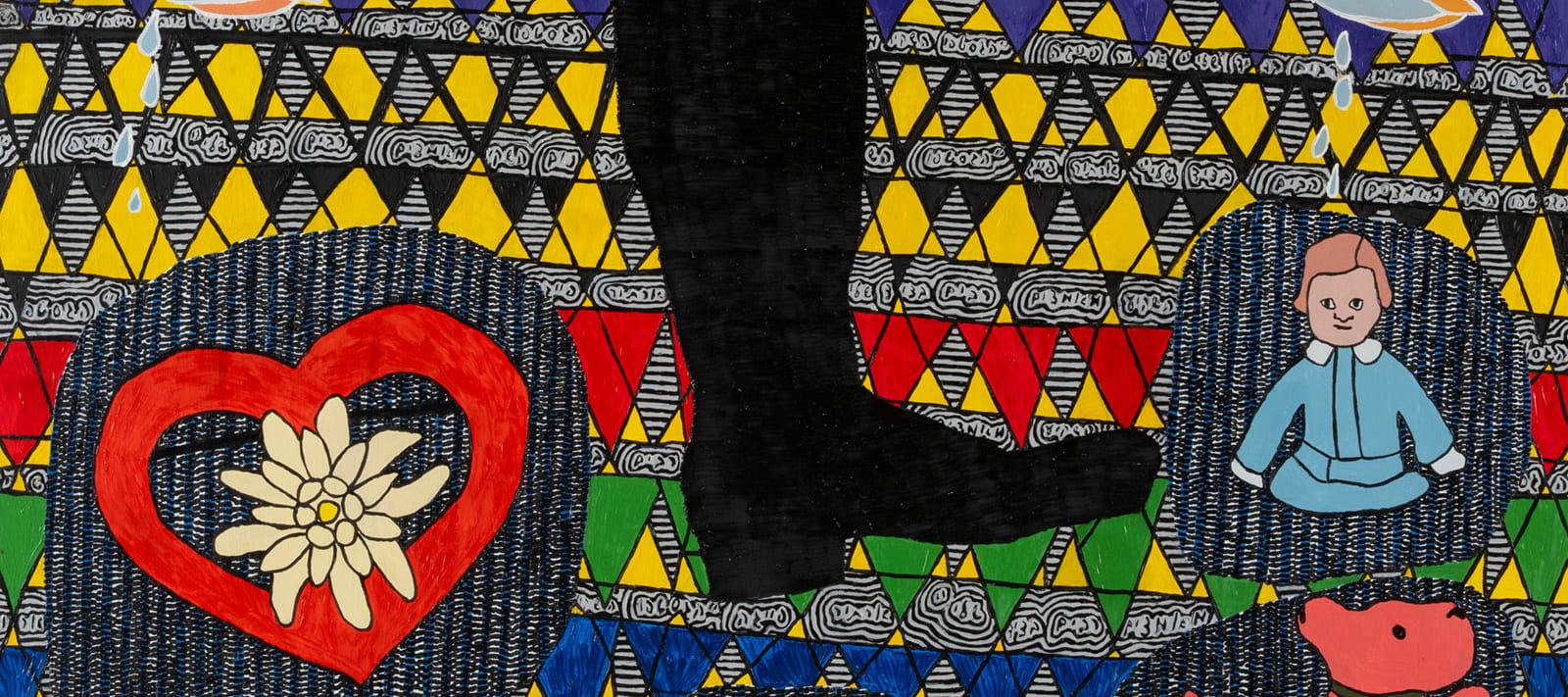
In each one of her works in the exhibition, Mazliach commemorates a personal story from the Holocaust and integrates texts from the period. The combination of the creative process, the personal perspective and the fragments of memory at Yad Vashem create a moving and thought-provoking invocation that raises philosophical questions about the connection between past and present, about Jewish identity in the face of existential threats, and about the manner in which one can transform personal pain and collective memory into a visual creation.
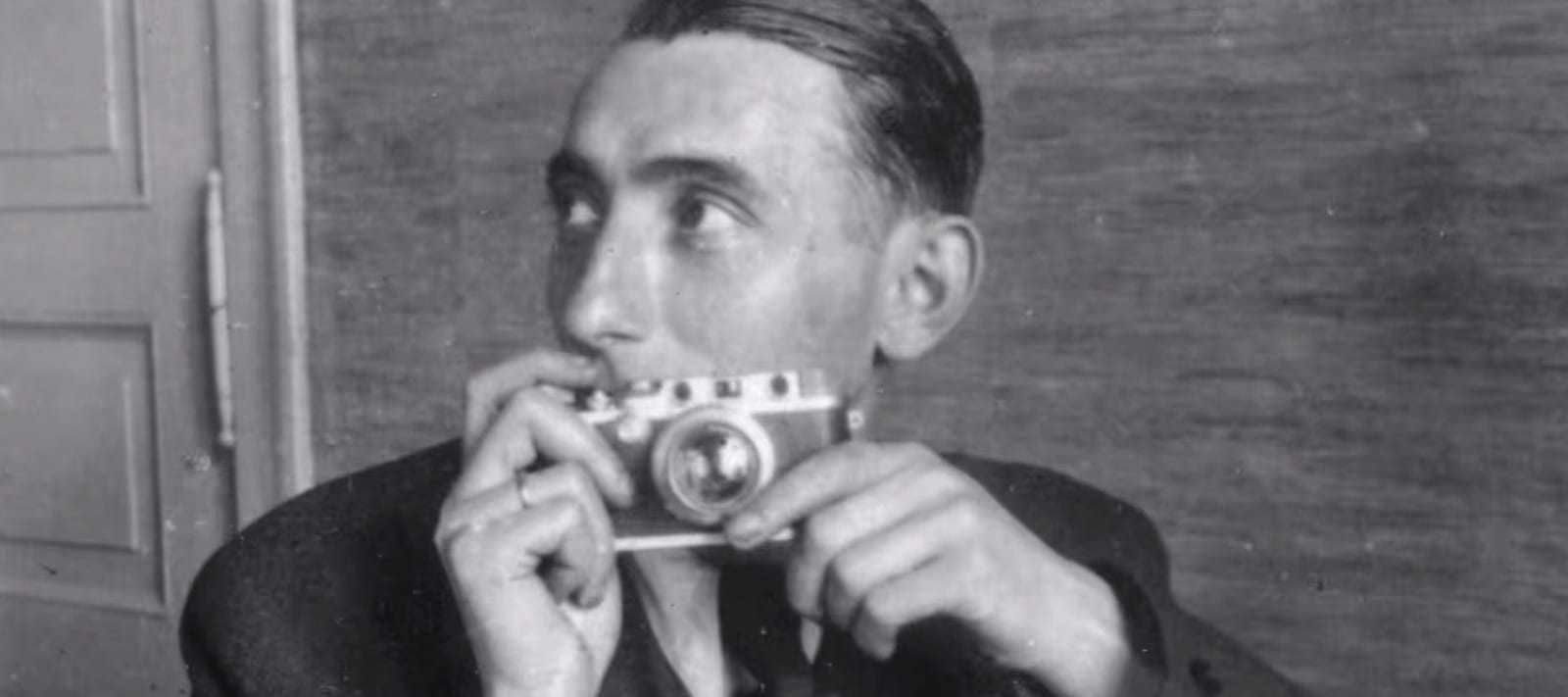
The series of articles presented here surveys four types of photo albums from the Yad Vashem archive: Nazi propaganda albums, an album documenting deportation to extermination, an album depicting the construction of a death camp, and an album reflecting the rehabilitation of life after the Holocaust.

This exhibition explores the concept of home, the significance of its loss during the Holocaust period and the Holocaust survivors' attempts to preserve something, anything, from their prewar abodes. The artifacts, artworks, testimonies and photographs presented here reveal the fate of men and women, adults and children, urban dwellers and country folk, and present different circumstances in which residents were forced to leave their homes and how they were affected by that devastating turn of events.
Yad Vashem – The World Holocaust Remembrance Center
Established in 1953 by an act of the Knesset (Israeli Parliament), Yad Vashem, the World Holocaust Remembrance Center, is entrusted with Holocaust commemoration, documentation, research and education: remembering the six million Jews murdered by the German Nazis and their collaborators; commemorating the destroyed Jewish communities, the ghetto and resistance fighters; and honoring the Righteous Among the Nations who risked their lives to rescue Jews during the Holocaust.
Four Pillars of Remembrance

The state-of-the-art Archival Collection houses hundreds of millions of pages of documentation, photographs, and survivor testimonies in video, audio and written format.

The International Institute for Holocaust Research encourages, supports and advances scholarly studies on the Holocaust.

The International Institute for Holocaust Education offers extensive activities for students and educators.

Yad Vashem holds dozens of commemorative events throughout the year in memory of the victims of the Shoah and the destroyed Jewish communities.
Sun, Mon, Wed 09:00-16:00 | Tues 09:00-14:00| Thurs 09:00-18:00
Friday and Holiday eves 09:00-13:00
All visits to the Holocaust History Museum (individuals and groups) must be reserved in advance via our Online Reservation System.
Entrance is free of charge – excluding registration fee.
Explore the Yad Vashem Museum Complex

Yad Vashem invites you to join guided tours of the Holocaust History Museum, given in English and Hebrew by Yad Vashem's professional guides.

The Museum's rotating permanent exhibition displays some 120 works of art. Most of these works were created during the Holocaust itself, or before the war by artists later murdered during the Shoah.

The monumental Book of Names actualizes the inconceivable number of Holocaust victims, and displays their names together with their dates of birth, hometowns and places of death, where known.

A special tour of the Holocaust History Museum to mark the occasion of a Bar or Bat Mitzvah, focusing on the fate of children and teenagers during the Holocaust.
What was the Holocaust?

About the Holocaust explores the history of the Holocaust thematically and chronologically. Each chapter in the narrative is divided into subchapters with explanatory texts. Useful related resources accompany the texts and may include photos, video testimonies, documentary footage, documents, artifacts and art.


The Holocaust: Key Topics

Operation Reinhard was a codename for the Nazi scheme to exterminate the 2,284,000 Jews living in the five districts of the Generalgouvernement. The scheme was named after Reinhard Heydrich, the main coordinator of the "Final Solution" in Europe, who had been assassinated by Czech resistance fighters. Three extermination camps were established for its implementation: Belzec, Sobibor and Treblinka.

Operation Barbarossa began on 22 June 1941 with the massive military invasion of the Soviet Union. Four special operations divisions (Einsatzgruppen) – A, B, C and D – operated behind the corps that took part in the campaign against the USSR. The units were made up of SS, police and auxiliaries mobilized from the local population.

Jewish organizations attempted to rescue Jews by getting them out of the camps, by ransoming them for money, by placing them in children’s institutions or private homes, and by organizing their emigration.
Insights and Perspectives

Access archival documents, photos, testimonies, artifacts, and artworks—preserving memory through our digital collections

Insights, research and untold stories from Yad Vashem’s experts
Experience history through curated narratives, rare images and personal accounts

Rescue took many forms and the Righteous came from different nations, religions and walks of life
