


Install Steam
sign in
|
language
简体中文 (Simplified Chinese)
繁體中文 (Traditional Chinese)
日本語 (Japanese)
한국어 (Korean)
ไทย (Thai)
Български (Bulgarian)
Čeština (Czech)
Dansk (Danish)
Deutsch (German)
Español - España (Spanish - Spain)
Español - Latinoamérica (Spanish - Latin America)
Ελληνικά (Greek)
Français (French)
Italiano (Italian)
Bahasa Indonesia (Indonesian)
Magyar (Hungarian)
Nederlands (Dutch)
Norsk (Norwegian)
Polski (Polish)
Português (Portuguese - Portugal)
Português - Brasil (Portuguese - Brazil)
Română (Romanian)
Русский (Russian)
Suomi (Finnish)
Svenska (Swedish)
Türkçe (Turkish)
Tiếng Việt (Vietnamese)
Українська (Ukrainian)
Report a translation problem


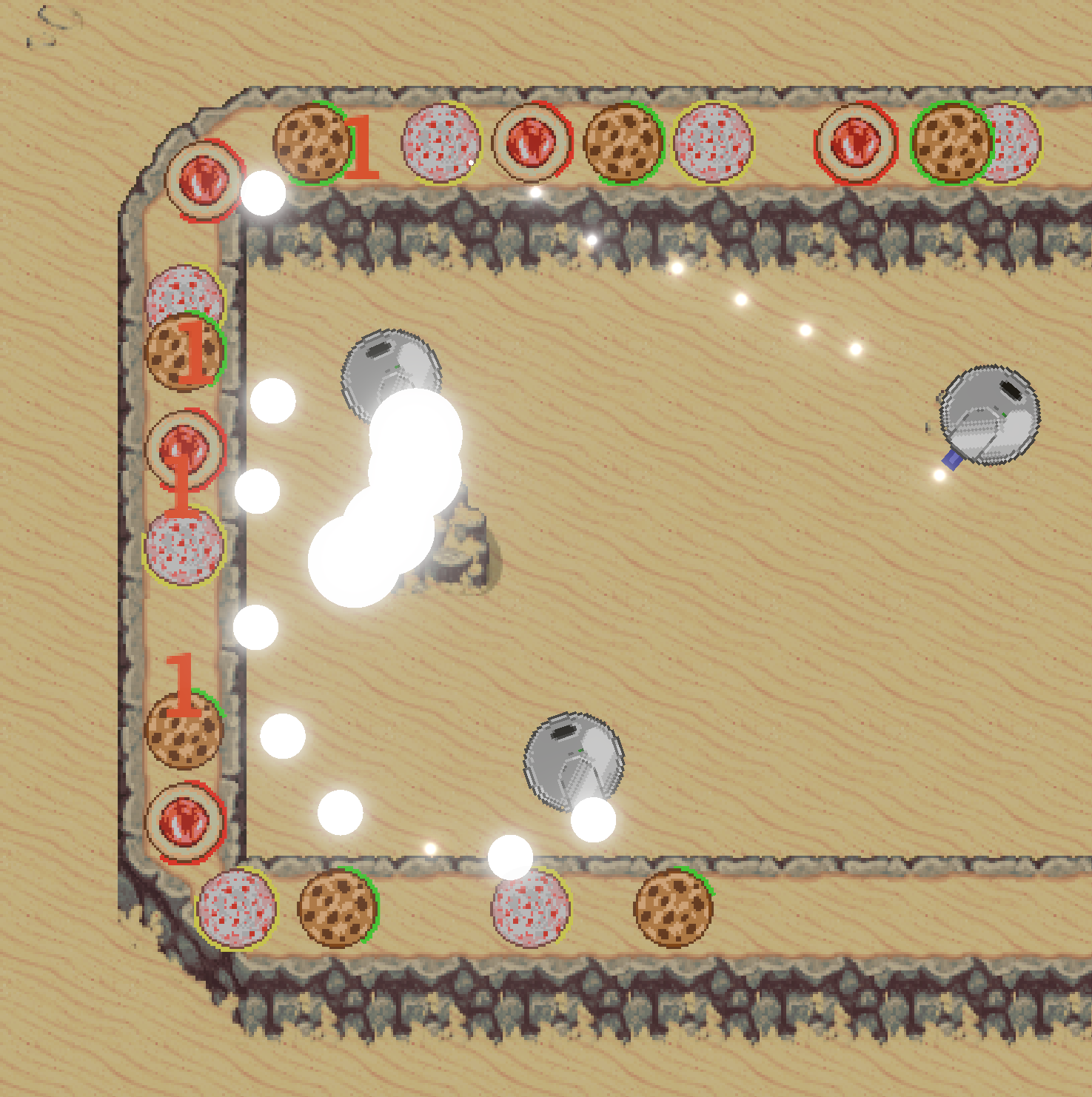
 To achieve this, we use a form of ray tracing that allows us to simulate the light. In a brute force approach, we could just go from each pixel to the next pixel and check if we found an occluder. This would involve a lot of computation, as each pixel would need to be checked on each ray. There is a ray for each light in the scene to each pixel on the screen. You see how this escalates into burning GPUs very quickly.
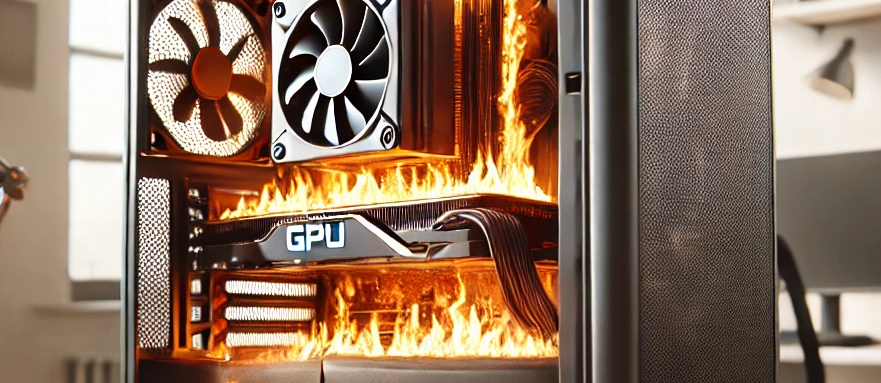 PS: No GPU has been harmed during the development of Mega Giga Cookie Destroyer TD
 Loading


